

Sports play a vital role in the physical and mental developmentof teenagers. They build strength, teamwork, discipline, and confidence. However, every sport carries some level of injury risk. Understanding these risks can help young athletes make safer choices and protect their long-term health.
1. High-Risk Contact Sports
Examples: Football (American), Rugby, Boxing, MMA
These sports involve intense physical contact and collisions.
Common Injuries:
Concussions (brain injuries)
Ligament tears (especially ACL)
Fractures and dislocations
Risk Factors:
High-speed impacts
Direct body-to-body contact
Aggressive competition
Advice:
Always wear proper protective gear
Learn safe tackling or defensive techniques
Never ignore symptoms of a concussion
2. High-Skill, High-Impact Sports
Examples: Gymnastics, Skateboarding, Snowboarding
These sports require advanced techniques and often involve jumps, flips, or balance.
Common Injuries:
Wrist fractures
Ankle sprains
Spinal injuries
Risk Factors:
Falls from height
Repetitive stress on joints
Poor landing techniques
Advice:
Practice under supervision
Use safety equipment (helmets, pads)
Progress gradually—don’t rush difficult moves
3. Moderate-Risk Team Sports
Examples: Soccer, Basketball
These are popular among teenagers and involve running, jumping, and quick direction changes.
Common Injuries:
Ankle sprains
Knee injuries (ACL tears)
Muscle strains
Risk Factors:
Sudden stops and turns
Jumping and landing
Mild physical contact
Advice:
Warm up and stretch properly
Strengthen leg muscles
Wear appropriate footwear
4. Repetitive Motion Sports
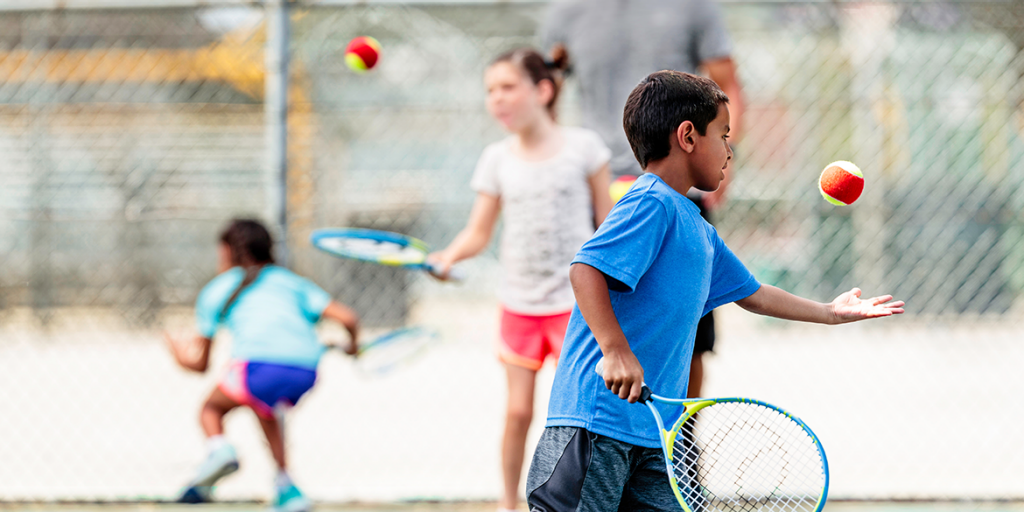
Examples: Tennis, Swimming, Baseball
These sports involve repeated use of specific muscle groups.
Common Injuries:
Tennis elbow
Shoulder strain
Overuse injuries
Risk Factors:
Repetitive movements
Poor technique
Lack of rest
Advice:
Focus on proper form
Take regular breaks
Cross-train to avoid overuse
5. Lower-Risk Activities
Examples: Cycling (non-extreme), Jogging, Yoga
These activities are generally safer but still require caution.
Common Injuries:
Minor muscle strains
Knee discomfort (in running)
Falls (in cycling)
Risk Factors:
Overtraining
Poor posture or technique
Environmental hazards (roads, surfaces)
Advice:
Start slowly and increase intensity gradually
Stay aware of surroundings
Use proper equipment (e.g., helmets for cycling)
Sports are an essential part of a healthy teenage lifestyle, but safety should always come first. By understanding the risks associated with different sports and taking preventive measures, teenagers can enjoy the benefits of physical activity while minimizing the chance of injury.